 WFlags
The five countries that opened Europe’s internal borders
A 1985 agreement signed near a small Luxembourg village laid the foundation for today’s Schengen area.
The story behind the five
Belgium, France, West Germany, Luxembourg and the Netherlands signed the Schengen Agreement on 14 June 1985. Its purpose was to gradually remove checks at their shared borders. The practical convention followed in 1990, and internal border controls were first abolished in 1995. Police cooperation, shared information systems and common external-border rules grew alongside freedom of movement. Schengen now includes far more countries, but its origin was an experiment by five neighbours willing to treat mutual trust as infrastructure. The experiment worked partly because the original five already belonged to the European Economic Community and shared dense cross-border ties. Schengen was later incorporated into European Union law, turning a small intergovernmental project into a central feature of everyday European mobility.
 Belgium — Brussels
 France — Paris
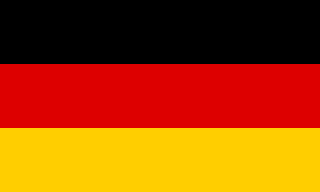 Germany — Berlin
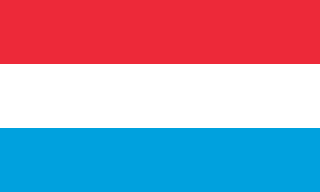 Luxembourg — Luxembourg
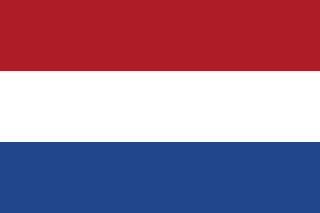 Netherlands — Amsterdam