 WFlags
Five countries spent 22 years deciding what the Caspian is
The Soviet Union’s collapse turned a two-country body of water into a five-country legal puzzle involving borders, oil, pipelines and security.
The story behind the five
Before 1991, the Caspian was shared principally by Iran and the Soviet Union. Soviet dissolution produced three new coastal states—Azerbaijan, Kazakhstan and Turkmenistan—and transformed the sea into a five-party negotiation. Questions about territorial waters, seabed resources, pipelines, fishing and military access resisted settlement for decades. After 22 years of negotiations, the five presidents signed the Convention on the Legal Status of the Caspian Sea at Aktau in 2018. These flags tell how a geopolitical map can change overnight while the law needed to manage it takes a generation to catch up. The 2018 convention gave the Caspian a special legal status rather than simply calling it a sea or a lake. It established territorial waters and fishing zones while leaving some seabed boundaries to bilateral agreement—a bespoke solution to an unusually shaped political problem.
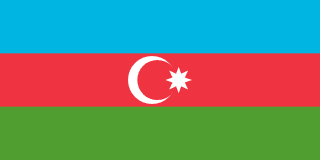 Azerbaijan — Baku
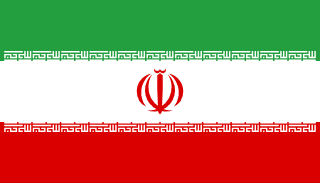 Iran — Tehran
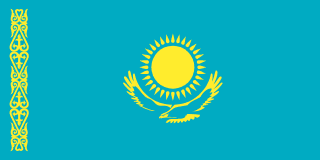 Kazakhstan — Astana
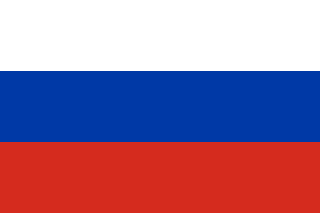 Russia — Moscow
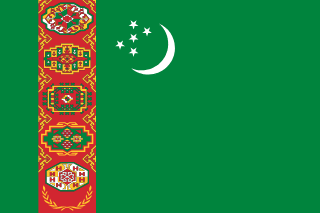 Turkmenistan — Ashgabat