 WFlags
Five flags from 1960, Africa’s year of independence
These five countries were among the wave of African states that became independent in a single transformative year.
The story behind the five
Cameroon, Senegal, Madagascar, the Democratic Republic of the Congo and Nigeria all entered independence in 1960. They were part of a much larger continental wave so dramatic that 1960 became known as the Year of Africa. The political transitions were not uniform. Senegal’s path ran through the short-lived Mali Federation; Congo’s independence was followed almost immediately by crisis; other states navigated different colonial legacies and constitutional arrangements. Together, the five flags make one year visible. In September 1960 alone, the United Nations admitted a record wave of new members, permanently changing the organisation’s balance and agenda. Seventeen African countries achieved independence during 1960, most from French or British rule, while Congo emerged from Belgian rule. Their arrival gave African states a much stronger voice on decolonisation, development and racial equality at the United Nations.
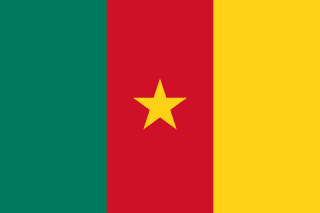 Cameroon — Yaoundé
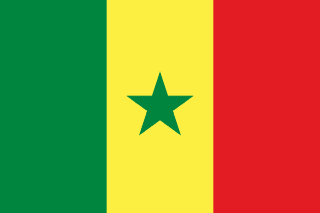 Senegal — Dakar
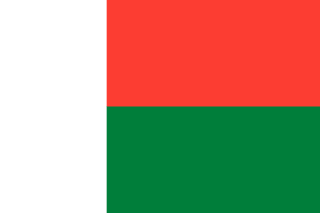 Madagascar — Antananarivo
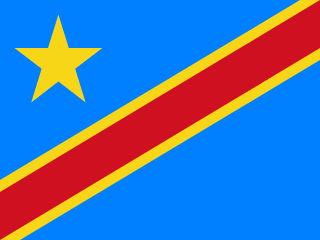 DR Congo — Kinshasa
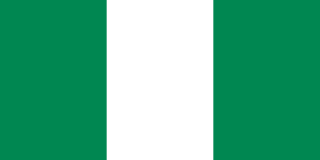 Nigeria — Abuja