The five flags with permanent seats—and a veto
A wartime power settlement written into the UN Charter still gives these five countries a unique role in decisions on international peace and security.
Die Geschichte hinter den fünf
When the United Nations was created in 1945, the Security Council was designed around five permanent members: China, France, the Soviet Union, the United Kingdom and the United States. Russia now occupies the Soviet seat. The Council can adopt decisions binding on all UN members, but substantive resolutions require the concurring votes of the permanent five. In practice, a negative vote by any one of them is a veto. These flags therefore tell two stories at once: the military and diplomatic balance at the end of the Second World War, and the continuing debate over whether a 1945 settlement should still structure global authority today. The arrangement was meant to keep the major Allied powers inside the new organisation rather than outside it, as happened with the League of Nations. That bargain explains both the Council’s durability and the frustration when one permanent member can block action supported by the rest.
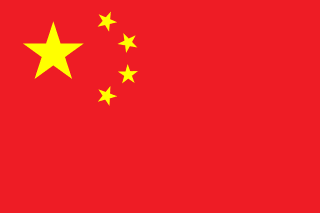 China — Peking
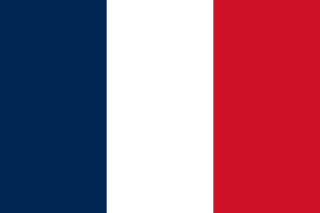 Frankreich — Paris
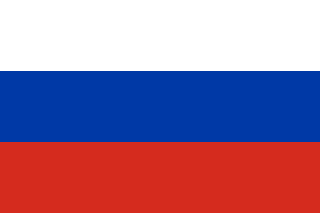 Russland — Moskau
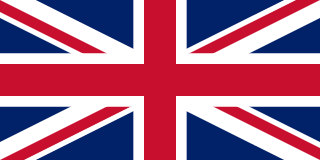 Vereinigtes Königreich — London
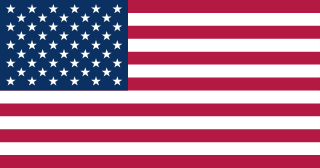 Vereinigte Staaten — Washington, D.C.