 WFlags
The five-country chapter of the East African Community
For nine years, these five states formed the entire EAC—between the accession of Burundi and Rwanda and the arrival of South Sudan.
Die Geschichte hinter den fünf
Kenya, Tanzania and Uganda revived the East African Community through a treaty signed in 1999 and brought into force in 2000. Burundi and Rwanda acceded in 2007. From 2007 until South Sudan became a full member in 2016, these five flags represented the whole Community. During that period, the bloc launched its common market and continued work toward monetary and political integration. The modern EAC is larger again. This five-country snapshot captures one stage in a regional project whose borders keep widening while its institutions deepen. The earlier East African Community had collapsed in 1977, so the revived organisation also represented a deliberate repair of failed integration. Customs arrangements, labour mobility and shared infrastructure gave the new project consequences people could encounter at borders and in daily commerce.
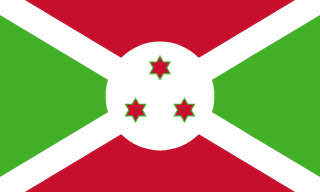 Burundi — Gitega
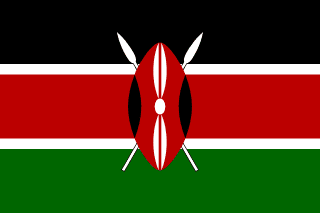 Kenia — Nairobi
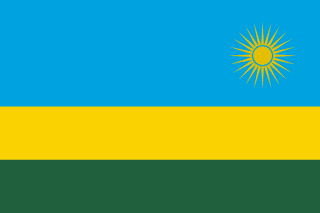 Ruanda — Kigali
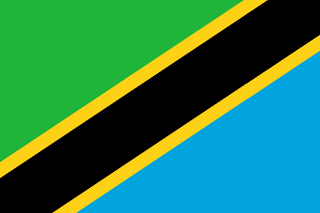 Tansania — Dodoma
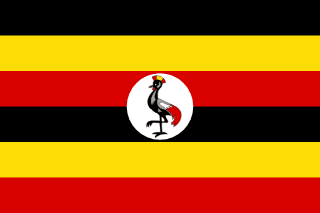 Uganda — Kampala