 WFlags
How Ethiopia’s colours travelled across independent Africa
Red, gold and green became a visual language of African independence, with Ethiopia and Ghana playing especially influential roles.
La historia detrás de las cinco
Ethiopia’s green, yellow and red acquired Pan-African meaning because the country preserved its sovereignty through the nineteenth-century partition of Africa, apart from Italy’s later occupation. The colours became associated with resistance and African statehood. Ghana adopted red, gold and green at independence in 1957, adding the Black Star of African emancipation. Guinea, Mali and Senegal arranged the same palette as vertical tricolours during the era of decolonisation. The colours do not have identical official meanings everywhere. Their power lies in a shared visual conversation about independence, solidarity and the future of a continent emerging from colonial rule. Ghana’s example was particularly influential because it became the first sub-Saharan African colony to gain independence from European rule in the post-war wave. The palette then spread through new flags, party symbols and liberation movements, acquiring meanings larger than any single official definition.
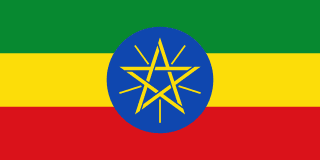 Etiopía — Adís Abeba
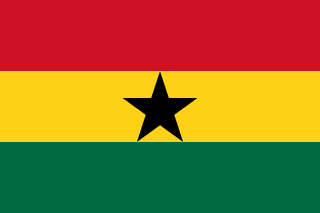 Ghana — Accra
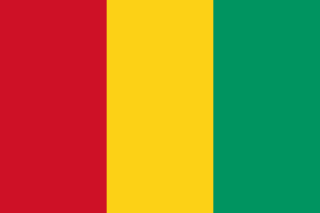 Guinea — Conakry
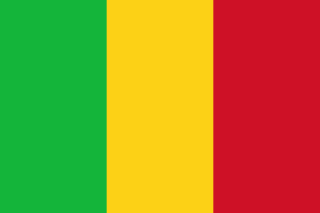 Mali — Bamako
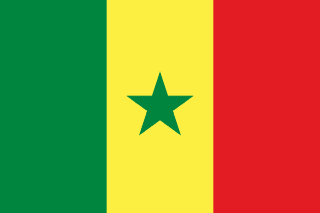 Senegal — Dakar