 WFlags
The Arab Revolt’s four colours live on in five flags
Black, white, green and red moved from a First World War revolt banner into a lasting vocabulary of Arab national identity.
La historia detrás de las cinco
The Great Arab Revolt banner combined black, white and green horizontal bands with a red triangle. Raised during the revolt against Ottoman rule, it drew on colours associated with historic Arab dynasties and the Hashemites. Jordan and Palestine preserve versions closest to the original layout. Kuwait, the United Arab Emirates and Sudan rearrange the same four colours into distinct national designs. The resemblance is not accidental decoration. It shows how a revolutionary banner became a reusable political language—one capable of expressing both a wider Arab identity and separate statehood. Vexillologists often call this palette the Pan-Arab colours. Their repeated use lets a viewer recognise a historical and cultural relationship, yet the geometry—triangles, trapezoids, vertical bars and horizontal bands—ensures that no two states surrender their separate identity.
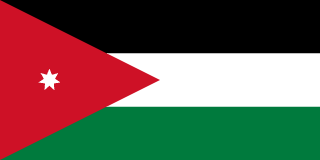 Jordania — Amman
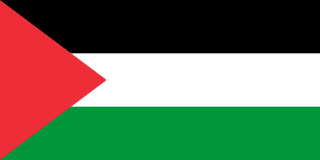 Palestina — Ramallah
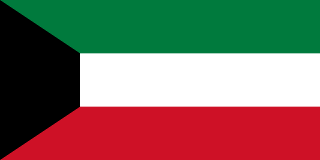 Kuwait — Kuwait City
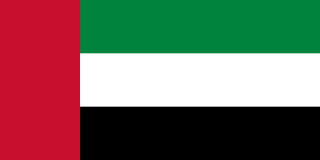 Emiratos Árabes Unidos — Abu Dabi
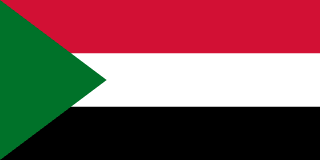 Sudán — Khartoum