 WFlags
Five crossroads on the Silk Roads
There was never one Silk Road: these five modern states contain major segments of a shifting network that moved ideas as readily as goods.
La historia detrás de las cinco
Routes from China crossed the grasslands and oasis cities of Central Asia, the Iranian Plateau and Anatolia before reaching Mediterranean markets. Kazakhstan, Uzbekistan, Iran and Türkiye hold major landscapes and cities from that long exchange. Silk gave the network its modern name, but merchants carried spices, metals, horses, ceramics and textiles. Travellers also moved religions, scientific knowledge, artistic techniques and languages. The five flags are waypoints, not the network’s full extent. Their story corrects the popular image of one road by revealing a web of land and sea routes that changed with politics, climate and demand. Cities such as Samarkand, Bukhara and Merv prospered by serving travellers and translating between commercial worlds. The routes also carried disease and conquest, reminding us that connectivity has always produced danger and disruption alongside wealth and cultural exchange.
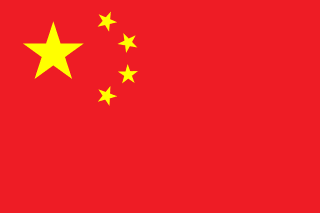 China — Pekín
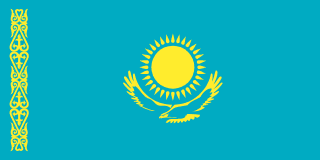 Kazajistán — Astana
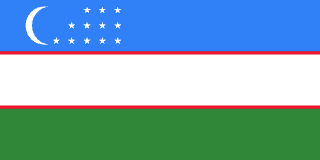 Uzbekistán — Tashkent
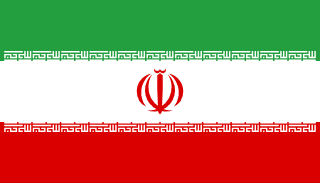 Irán — Teherán
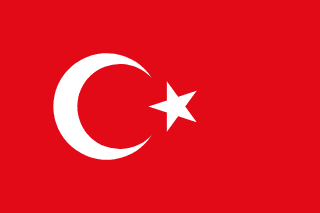 Turquía — Ankara